
What is contemporary psychoanalytic therapy?
Therapy that is:
-deeply relational (looking at your relationships and our relationship)
-compassionate and attachment focused
-embodied
-curious about your past, your patterns, and your dreams
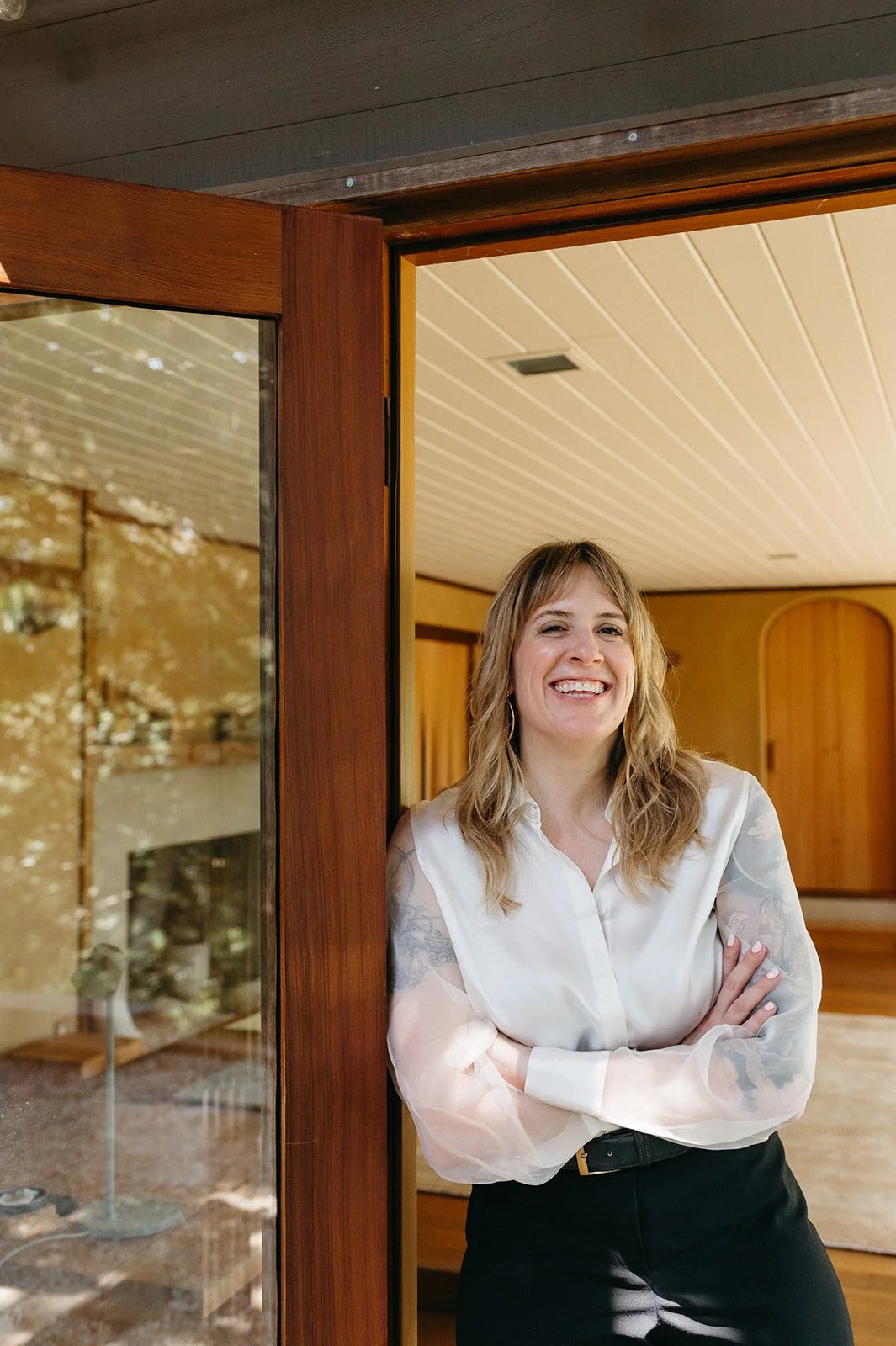
I practice longterm, depth therapy informed by psychoanalytic and existential thinking. I’m also keenly interested in how people show up in their bodies.
I believe people heal within a relationship of curiosity, consistency, respect and care. People come to therapy usually when their symptoms are overwhelming their ability to live a life worth living. I see symptoms as intelligent defenses and adaptations to danger and neglect— think of how a plant grows towards the sun. It’s trunk and leaves will contort in order to survive, leaving holes and irregularities in its shape. I’ve found that people’s lives feel foreign to them when those holes are taking up too much space. Psychoanalytic therapy to me means examining those empty spaces together.
Together we’ll build a new structure for your mind to grow, a structure in which you can grow more branches and leaves. This might look like changing the way you think about or view things, how you respond to conflict in relationships, and even what and how you dream. If this sounds complicated— it is and it isn’t. Patients most often report to me that the best thing about therapy is simply having someone be there for them.
I feel honored to make relationships with clients that are transformative, consistent, authentic, vulnerable, collaborative, and safe. Feeling better is possible— even though it might not feel that way right now. If healing isn’t something you can believe in yet, let me believe in it for you.

The foundation of my work is psychoanalytic theory and practice, but the most important principle in therapy is to do what is helpful. Depending on your needs, I may also use:
—Eye movement desensitization and reprocessing (EMDR) for acute trauma and PTSD
—Parts work, informed by Internal Family Systems (IFS)
—Sensorimotor psychotherapy (a kind of somatic therapy)
— Exposure and response prevention (ERP) for OCD
—DBT for emotional dysregulation, self harm, and suicidal ideation
—Mindful self-compassion
Let’s Work Together